
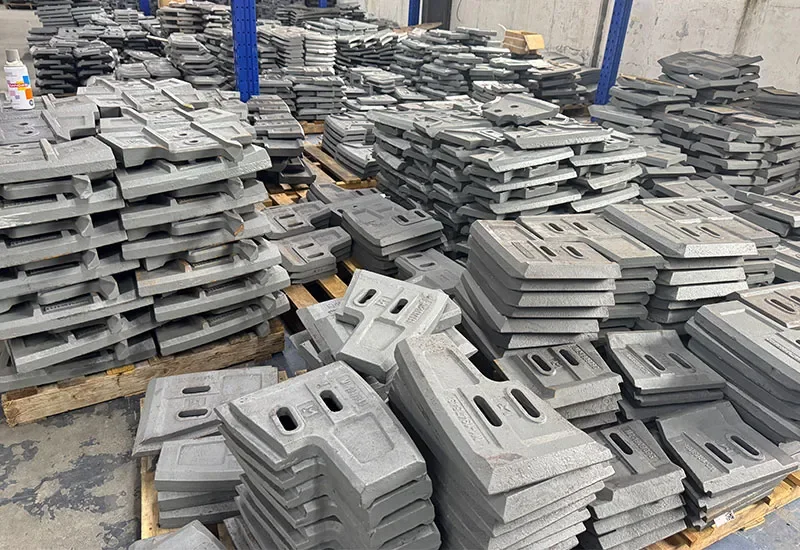
A field guide to replacement wear parts in a concrete mixer
Follow a batch from feed to discharge to identify mixer liners, blades, scrapers, arm protection and seals, and see which parts work together.
Technical guides and company news
Follow a batch from feed to discharge to identify mixer liners, blades, scrapers, arm protection and seals, and see which parts work together.
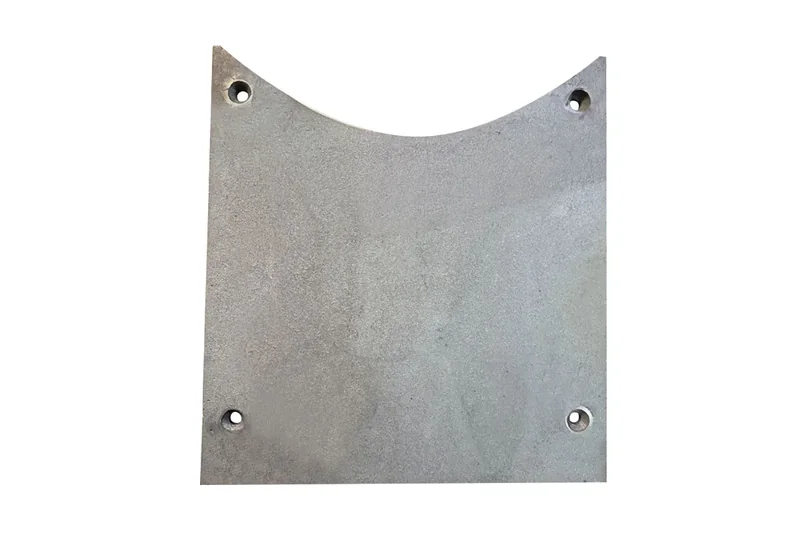
Compare cast iron, abrasion-resistant steel plate and polyurethane by mixer duty: sliding aggregate, feed impact, scraping and discharge.
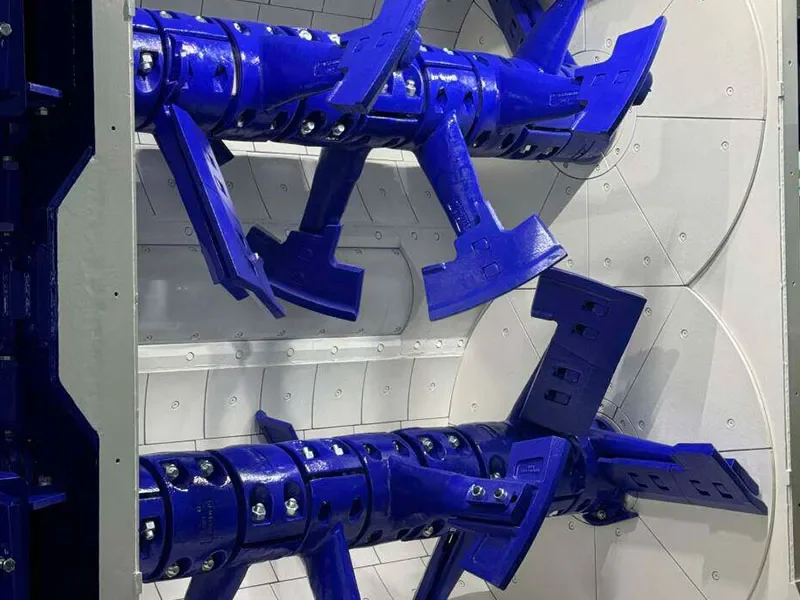
Understand why a mixer blade clears one liner but rubs another, and how the wear pattern helps distinguish a blade adjustment from a liner replacement.
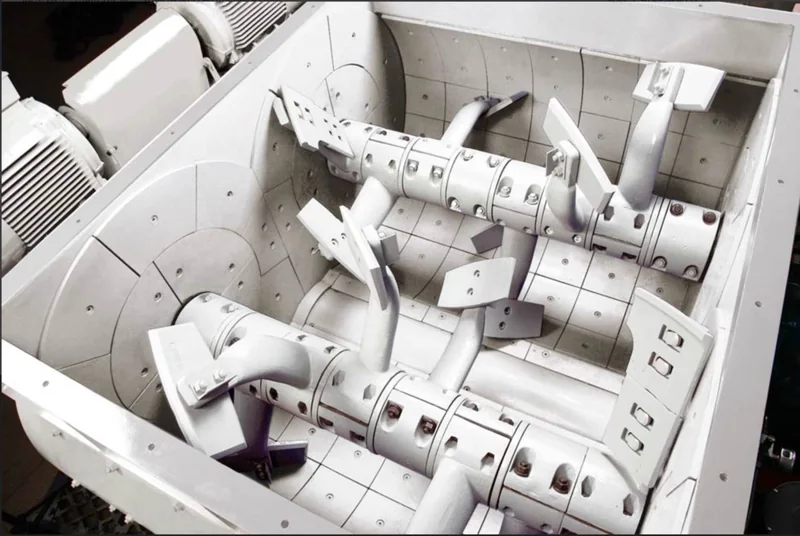
See how trough and pan geometry affect blade orientation, scraper position, liner shape and the layout of a concrete mixer changeout set.
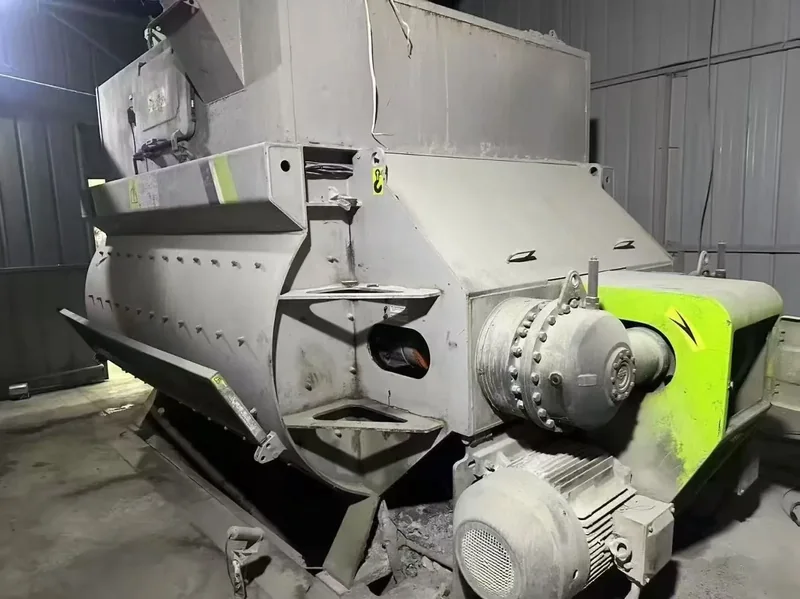
Distinguish a leak at a mixer shaft end from one at the discharge gate, and identify the wear surfaces and sealing components at each location.

Compare two mixer wear-part quotes on the same basis: delivered set cost, changeout labour and the concrete output between replacements.
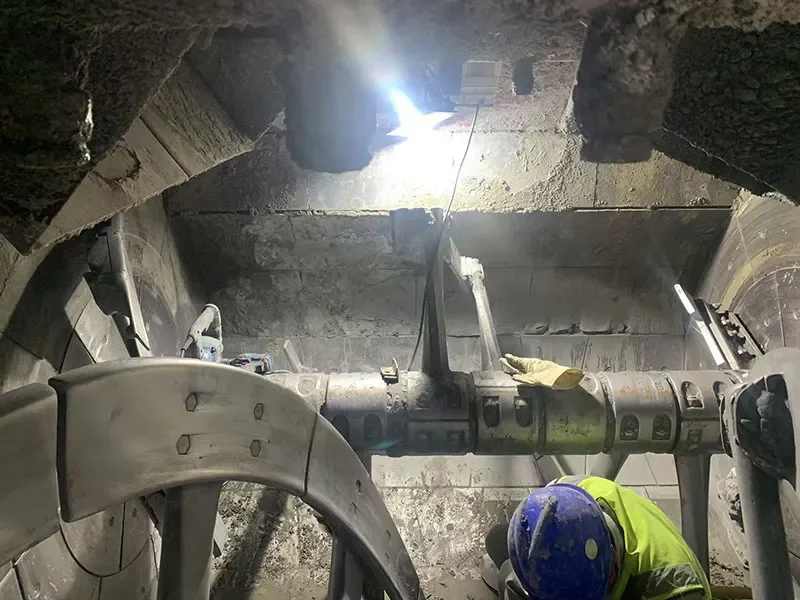
Read seven changes in mixer behaviour, from recurring wall deposits to local liner wear, and see which blades, scrapers, seals or plates to inspect.
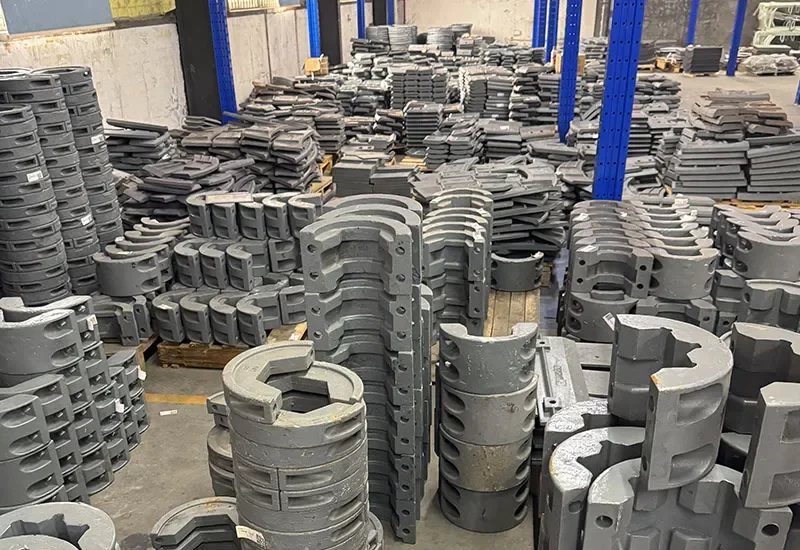
Connect mixer inspection records with spare-parts stocking: map wear by position, estimate time to the next changeout and set a practical reorder point.
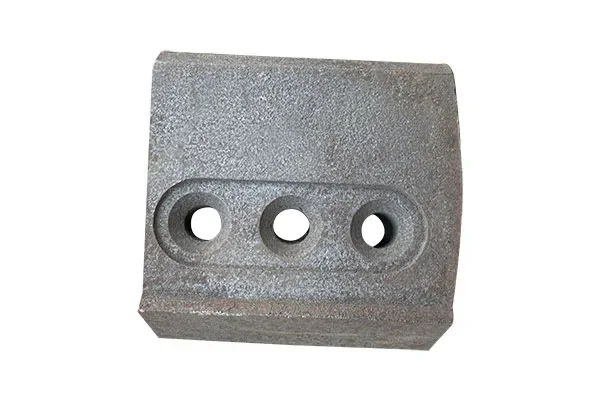
Start with a machine model, part number or photo. See how mounting details and position identify replacement mixer blades, scrapers and liners for a quote.
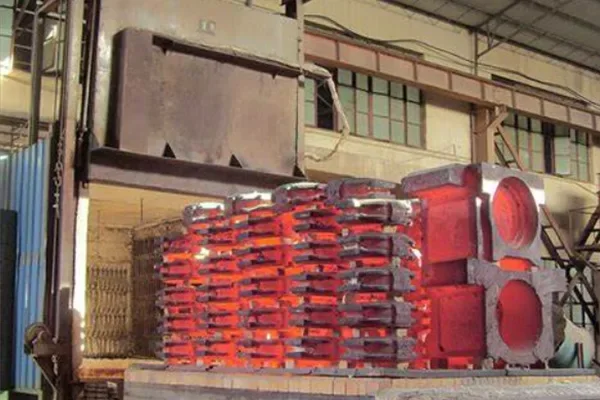
Compare Ni-Hard 4 and high-chrome white iron for concrete mixer liners and blades. See how aggregate, impact and wear zones affect the choice, and use a cost-per-cubic-metre example to compare quotes.
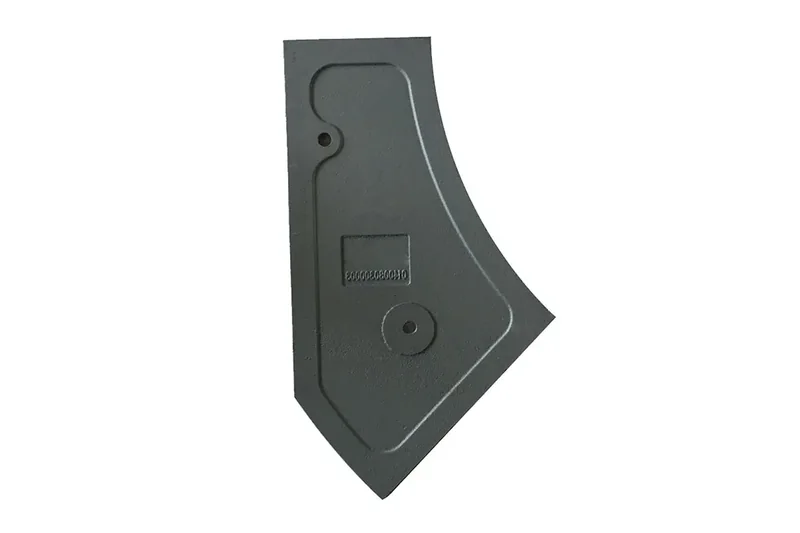
Raised cast marks give you a starting point for identifying a mixer liner. This guide explains what to look for on the mounting face, how to read the bolt-hole layout, and which views show the casting clearly when you need to match a replacement.
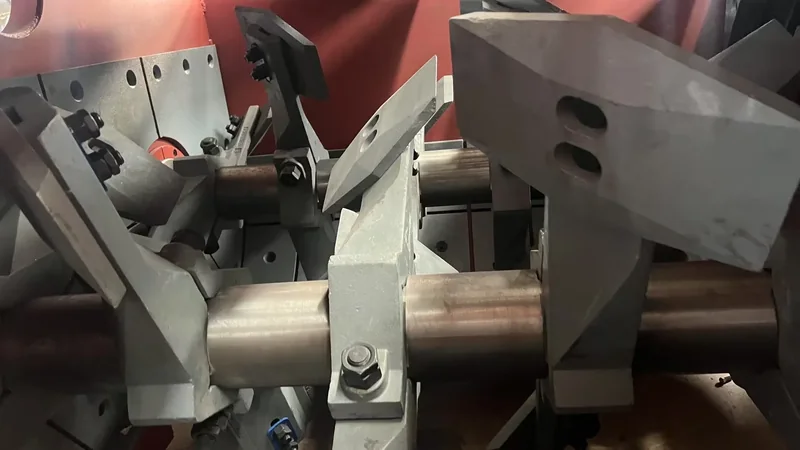
Mixing arms, blades and scrapers have distinct jobs inside a mixer. See where each part sits, how it interacts with the batch or chamber wall, and how the shape of its mounting end helps distinguish it from the other castings in the same assembly.
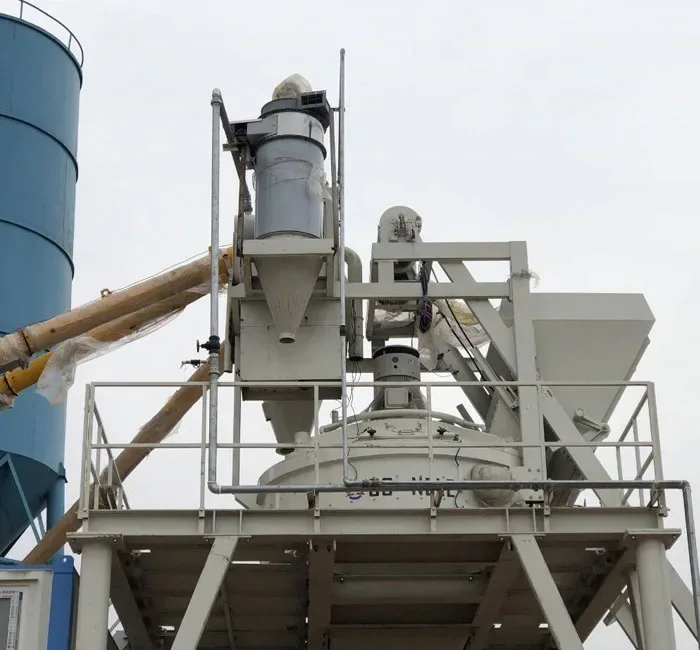
At the top of a hopper, falling aggregate strikes the liner. Farther down, material slides along the surface towards the outlet. See how these two wear zones differ and why their liner shapes and fixings can vary even within the same hopper.