
A maintenance and spares plan for mixer wear parts
Connect mixer inspection records with spare-parts stocking: map wear by position, estimate time to the next changeout and set a practical reorder point.
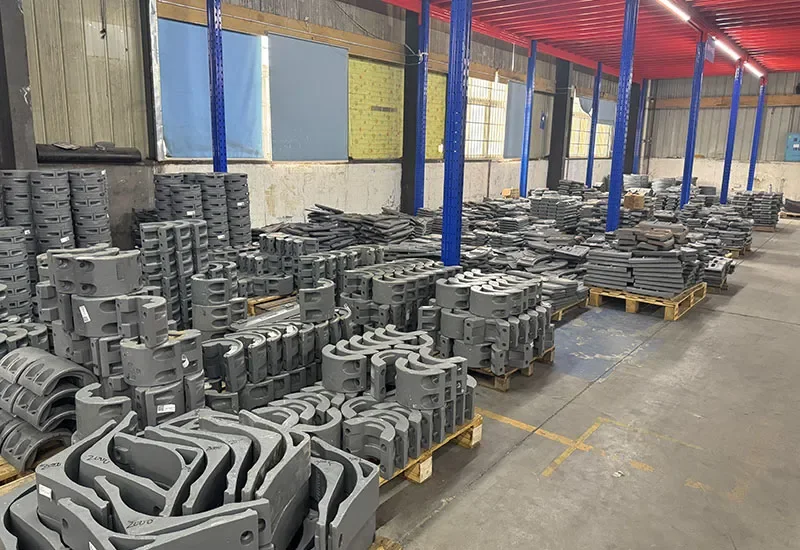
A storeroom can hold a full pallet of liners and still be short of the one segment a shutdown requires. A useful spares plan links each item on the shelf to its installed position and the rate at which that position wears. The purchasing list follows from those records.
Build one record for each mixer
Give each machine a plant ID and mark feed end, discharge end, shaft or pan position and liner rows on a simple diagram. Keep the same viewing direction for “left” and “right.” Record the installed part reference, quantity, installation date and production counter. For a site with several nominally identical mixers, keep records separate until drawings or verified references establish interchangeability.
Use three opportunities to record wear
- At shift handover: operators record abnormal sounds, recurring deposits, leakage and changes in batch behaviour from the normal operating position. Include the recipe or operating condition when it explains the difference.
- At an authorised maintenance stop: after verified isolation and the site’s entry controls, record the condition of blades, scraper edges, liners, fixings and seal areas. Use the same measurement points as the last inspection and the limits in the machine manual.
- At replacement: close out the old set with its removal reason and output. Record what was actually fitted, including any left- and right-hand differences and the hardware used. Update physical stock as well as the maintenance log.
Forecast in production units, then convert to time
Suppose the same point on a liner loses 2 mm over 10,000 m³ and now has 3 mm of usable thickness above the equipment-specific replacement limit. At the observed rate, the remaining allowance represents about 15,000 m³. At 2,500 m³ per week, that is roughly six production weeks. These figures illustrate the method; neither the wear rate nor the allowance is a general limit.
If replenishment normally takes five weeks and the planner allows two weeks of contingency, a six-week forecast falls inside the seven-week reorder window. Check the next shutdown date and the actual stock on hand. Repeat the measurement sooner if the aggregate or duty changes, or if wear accelerates.
Decide what deserves shelf space
Critical, long-lead parts: reserve stock where losing one item would prevent restart and replenishment is slow. The critical item might be a position-specific end scraper or sealing component, not the most expensive casting.
Regular changeout parts: use consumption records to group the blades, liners, guards and matched fixings normally fitted together. Keep handed pairs distinct in store and pick the set against the position map.
Occasional items: retain drawings and supplier references for components that are seldom replaced. Review lead time and actual condition before tying up capital in a full spare set.
Compare the stock list with the mixer and plant wear-parts catalogue. Keeping a record of the last installed part makes the next planned order easier, even when a different buyer handles it.
Related reading and parts
Get a quote for your mixer
Share your equipment list and expected shutdown dates. We can quote individual spares or a planned changeout set.